6 Things Retailers Should Know About ChatGPT’s New Business Profiles
OpenAI opened Businesses in ChatGPT this week. At Fantasy, we design AI assistants and shopping experiences for brands like Priceline, Nike, and Harrods, and these are the six questions I’d expect retail leaders to ask me about it.
What is Businesses in ChatGPT?
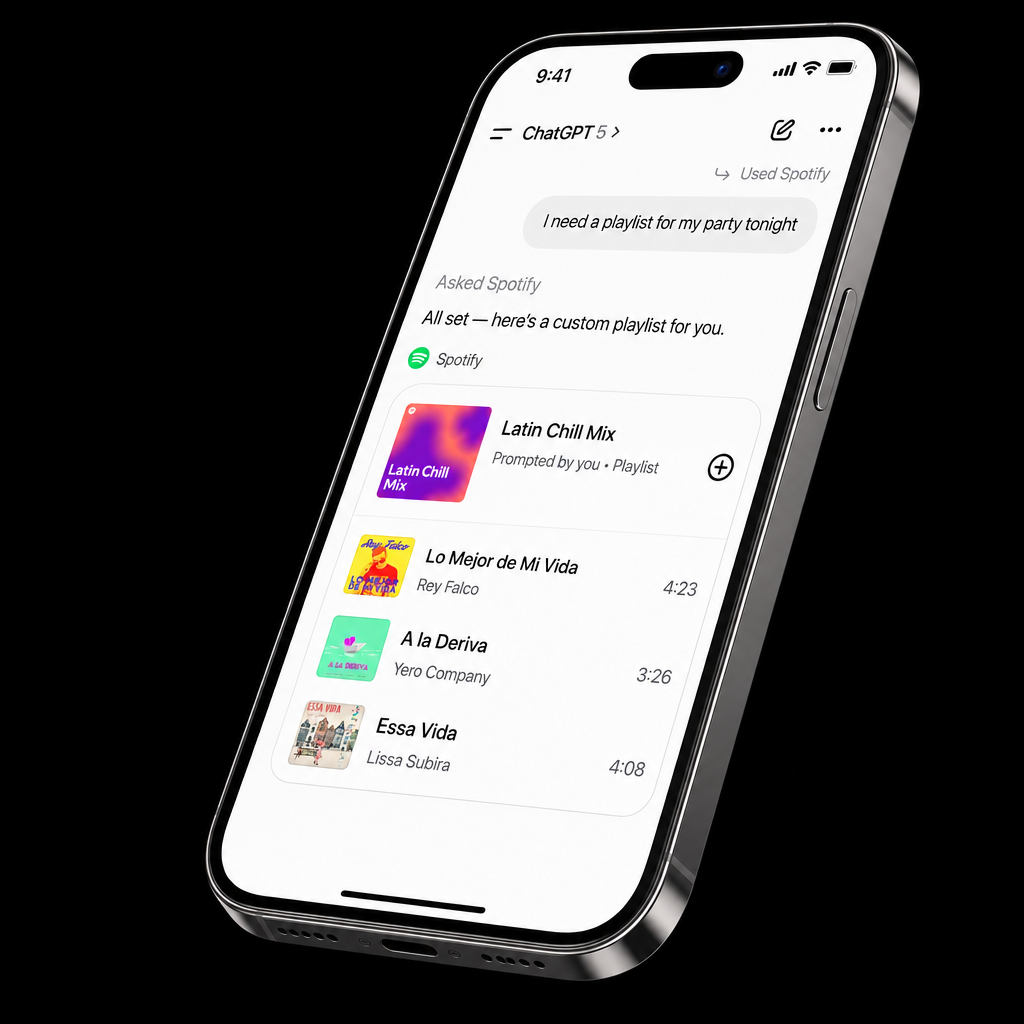
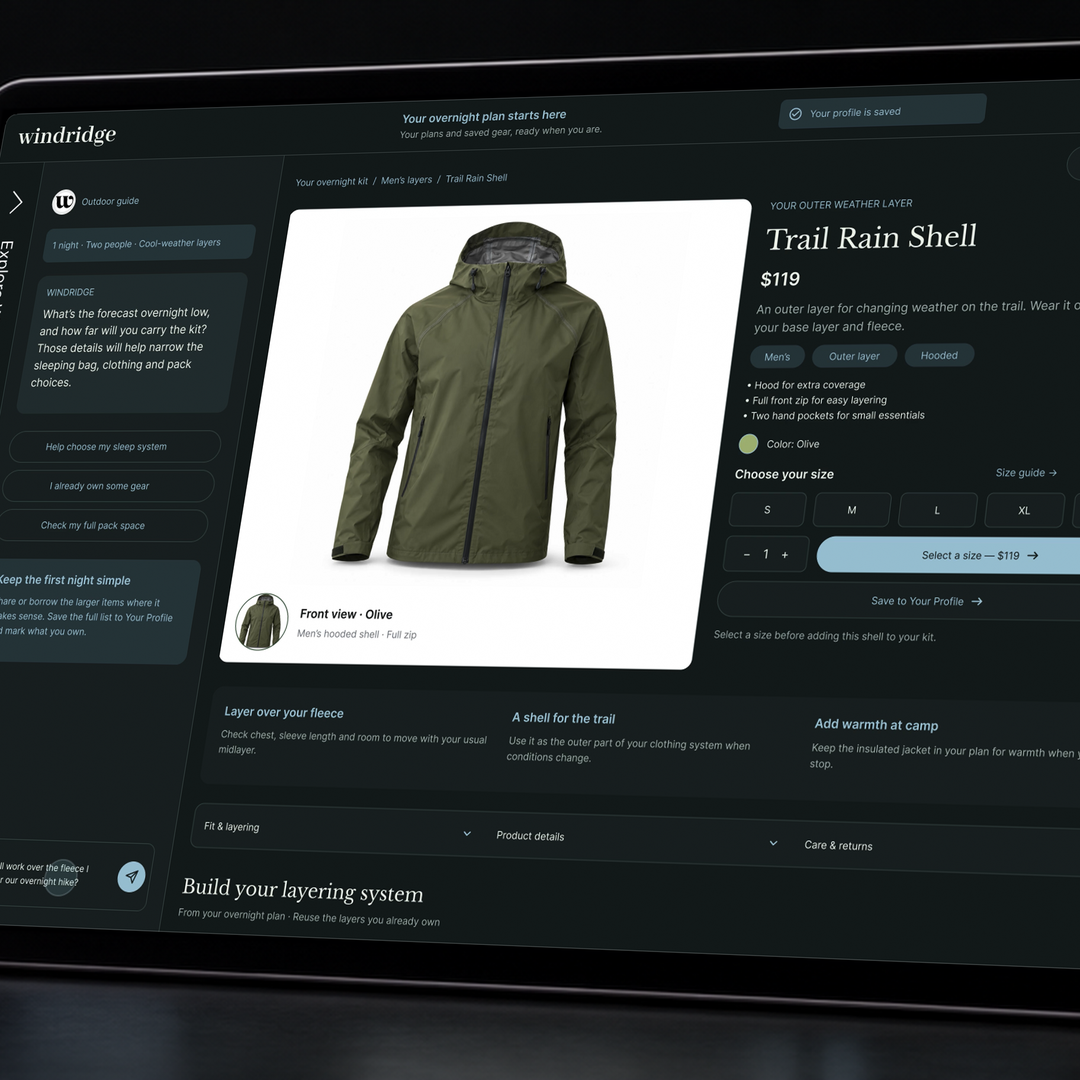
It’s a hub where any business can claim its ChatGPT profile and see how often ChatGPT mentions it. U.S. ecommerce brands can also publish their own AI agent (an assistant that answers shoppers’ questions and helps them buy) that people chat with inside ChatGPT.
In July, I wrote in Forbes that brand is a data problem now, and so many of the companies we talk to still invest only in experiences built for human eyes.
What will we see in the Business Hub?
The hub has an Overview tab, an Agent builder, and a Products tab.
On the Overview, Brand Insights shows how often ChatGPT mentions you, how many people view your profile, and how many click through to your site, over the last 7 or 28 days. A mention only counts when ChatGPT references your website; as OpenAI told Digiday, “Just naming the brand doesn’t count.”
OpenAI counts clicks but doesn’t confirm visits or purchases, and low numbers can be held back for privacy, so a new profile may show nothing at first. You’ll also see your top five discovery topics, the themes in conversations where ChatGPT cites your site. Agent Insights fills in once you publish an agent.
Will claiming our profile help us rank higher?
No. OpenAI says claiming a profile won’t change how ChatGPT ranks you (neither will paying for ads). The profile gives ChatGPT one official version of your details. If your return policy says 30 days on your site and 14 days on your profile, an agent reading both may trust a competitor instead.
What should we fix first?
Your product data, which most brands still treat as back-office plumbing.
In the Products tab, retailers can connect Shopify or upload a product feed with current pricing and availability; the feed has nine required fields, including title, description, price, and availability.
When a shopper types “gift under $100 for a runner,” ChatGPT is more likely to suggest the brand with complete, current data, even if a competitor has the nicer product page.
Should we publish our own agent in ChatGPT?
Yes, once it has one clear job and you’ve tested it the way a shopper would.
In the Agent builder, your agent answers from the instructions you write and the product and policy information you give it (OpenAI doesn’t let brands bring their own agents). Start with something it does better in conversation than a website can, like helping someone choose between two similar running shoes. Then decide what it’s allowed to promise and when it hands a shopper to a person.
Before you publish, preview it with real questions, like OpenAI’s own example, “Can I return an item I bought on sale?” It should never make up a product fact, because a wrong price or size can cost you the sale, or turn it into a return. OpenAI reviews each agent when it’s created and every time it’s updated, and requires agents to say they’re AI and to back off when a shopper says no.
What happens to our own website?
It matters more.
OpenAI doesn’t share shopper conversations or agent chats with businesses, so you’ll see counts of mentions and clicks but not what people actually asked. Christopher Follett, our Head of AI Marketing Innovations, put the risk plainly in a recent piece: a brand “may still receive the order while losing the conversation that shaped it.”
Let your agent answer quick questions and send shoppers back to your site for what it can’t do, like full fit guides and side-by-side comparisons.
This month, I’d claim your profile and then try to buy one of your own products through ChatGPT. Type something like “Is the [product name] in stock in a size 9, and what does it cost with shipping?” and note every place the answer is wrong or gets stuck.
Our partners are already preparing their brands for business profiles and agents in ChatGPT. If you’re ready to start on yours,