Automate, Augment, or Preserve: How to Decide What AI Should Touch
By Firdosh Tangri, CEO of Fantasy.
Published in Inc. on November 9, 2026.

Summary
“Every task gets one of three answers: automate it, augment it, or preserve it.”
Firdosh Tangri wrote this Inc. column about the framework Fantasy ran on itself after ChatGPT launched, which scores each task in a workflow and sorts it into automate, augment or preserve.
Fantasy mapped its own process this way in four weeks. Firdosh has since taken executive groups at Harvard Business School through it.
Key points
How does the framework work?
- Set measurable goals first. Fantasy aimed for AI to meaningfully improve at least half of its activities and to run inside at least three internal products, with small teams and KPIs behind both.
- Identify. Walk through the workflow with the people who do it, note who owns each step and where it stalls, then mark what AI can handle today.
- Assess. Score each task on complexity, frequency, value, risk and how hard it would be to implement.
- Decide. Automate low-value work that repeats constantly. Augment high-value work, so a person still owns the quality and AI makes them faster.
- Operate. Name whether each change refines a process, adds to it or transforms how the work gets done.
- Start small. Plot every candidate by business value against ease of implementation, and start where value is high and the build is easy. Fantasy’s first AI tools lived in Google Sheets until they proved their value.
Our work
How this shows up in our work
Synthetic Humans, for synthetic user research, and Fantasy Canvas, for content production, gave Fantasy its biggest returns from the exercise. Firdosh built both himself, and the whole company now uses them on client work. Synthetic Humans went on to win Fast Company’s 2024 World Changing Ideas Award in the experimental category.
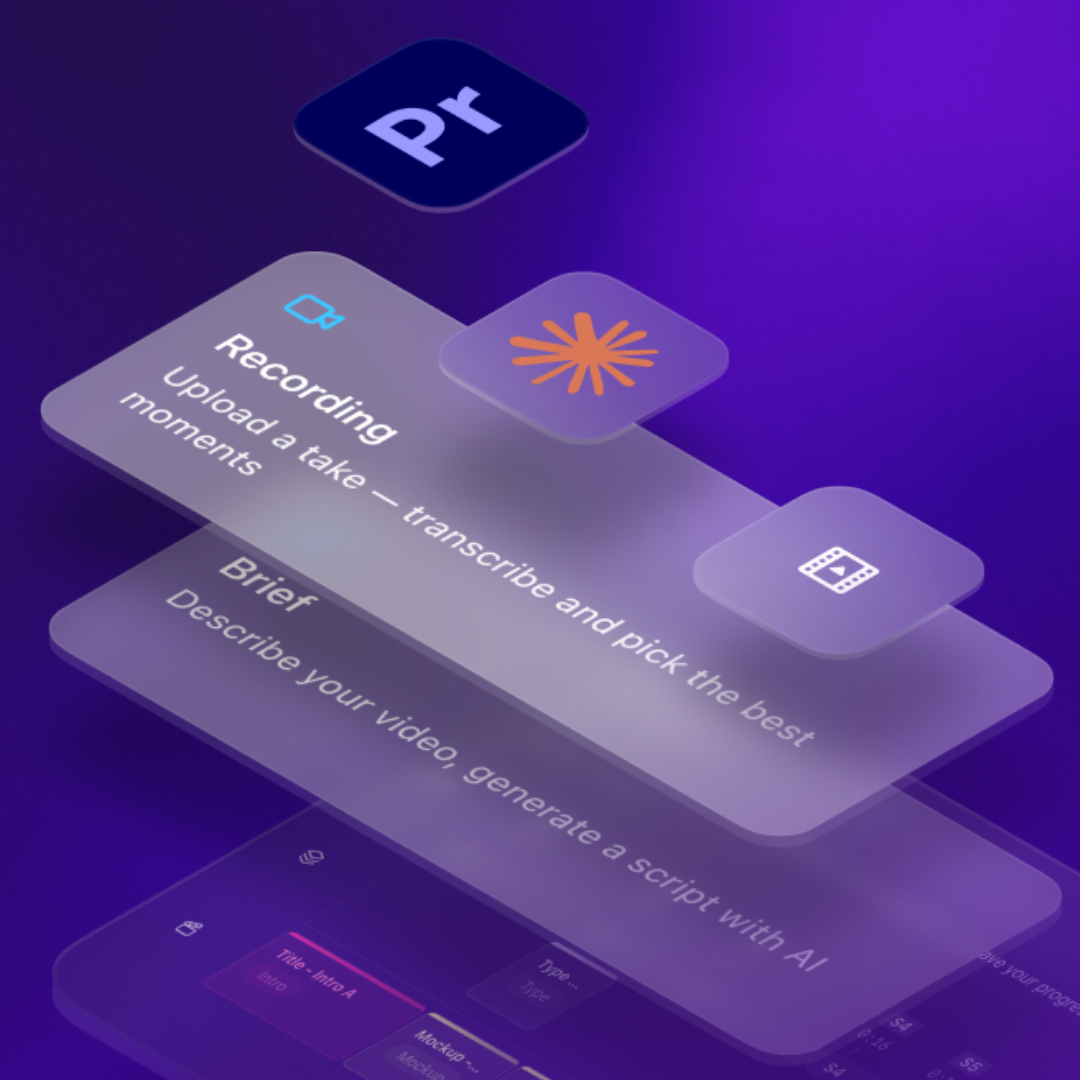
Other people at Fantasy build their own tools too. A motion director made a tool that turns a brief into a script, an AI voiceover and a Premiere-ready timeline, and Chromaflow, from a 3D and motion designer, layers GPU shader effects on video as it plays.
More from Fantasy


Frequently asked questions
Tangri leaves tasks alone for now when they depend on judgment, customer relationships or someone being accountable for the outcome. He weighs frequency against risk, since a low-risk task a team does fifty times a week looks very different from one that happens twice a quarter and could end up in front of a regulator.
Tangri says company-wide adoption comes from people watching their peers build. Fantasy runs regular sessions where staff build their own tools with Claude and post them in a shared channel. When leaders build and use these tools every day too, it removes the fear that AI will take people’s jobs.
About 90 days. Tangri finds three-year AI roadmaps tempting but too long for a technology that changes every week. His advice for the first 90 days is to map one workflow with the people who do it and build a rough first version of its best candidate.